You’ve tried endless crunches, cut carbs, and logged miles on the treadmill—yet that stubborn belly fat refuses to budge. If you’re wondering does a weighted vest help lose belly fat, new research reveals a surprising truth: while it won’t magically melt fat from your midsection alone, strategic vest use creates metabolic conditions that accelerate overall fat loss—including visceral belly fat. Swedish trials show participants wearing 11kg vests for just 8 hours daily lost 3.5 pounds of pure fat in 3 weeks without extra exercise or dieting. The catch? Success hinges on precise protocols that transform this simple tool into a fat-burning catalyst.
Unlike spot reduction myths, weighted vests work through two scientifically validated pathways: they increase calorie burn during movement by 5-15% while potentially influencing hormonal weight-regulation systems. Crucially, the Swedish 3-week study confirmed participants lost 1.6kg of pure fat—none from muscle—proving vests trigger meaningful body composition shifts. This guide cuts through fitness fads to deliver the exact protocols, safety rules, and realistic expectations you need to leverage vests for measurable waistline reduction.
Why Weighted Vests Don’t Target Belly Fat (But Still Work)
Spot reduction remains biologically impossible—your body burns fat globally, not locally. However, weighted vests uniquely accelerate visceral fat loss because belly fat is metabolically active and often the first to respond to systemic fat reduction. The Swedish trials demonstrated this principle: when participants wore 11kg vests 8 hours daily, their entire fat mass decreased by 1.6kg in 21 days, with belly fat proportionally affected due to its high metabolic activity. Vests create this effect by increasing gravitational load, which may stimulate the “gravitostat” system—a theorized weight-regulation mechanism that adjusts metabolism to maintain body mass.
How Daily Vest Wear Triggers Fat Loss Without Exercise
Research reveals wearing vests during normal activities forces your body to work harder for basic movements. A 180-pound person wearing a 9-pound vest (5% body weight) burns 150-300 extra calories daily simply walking to the mailbox or standing at their desk. Crucially, the Swedish study found participants actually moved less due to discomfort yet still lost significant fat—proving vests work through metabolic adaptation beyond calorie expenditure alone. This passive fat-burning effect makes vests uniquely valuable for sedentary individuals struggling with belly fat.
Why Vests Outperform Traditional Cardio for Waist Reduction
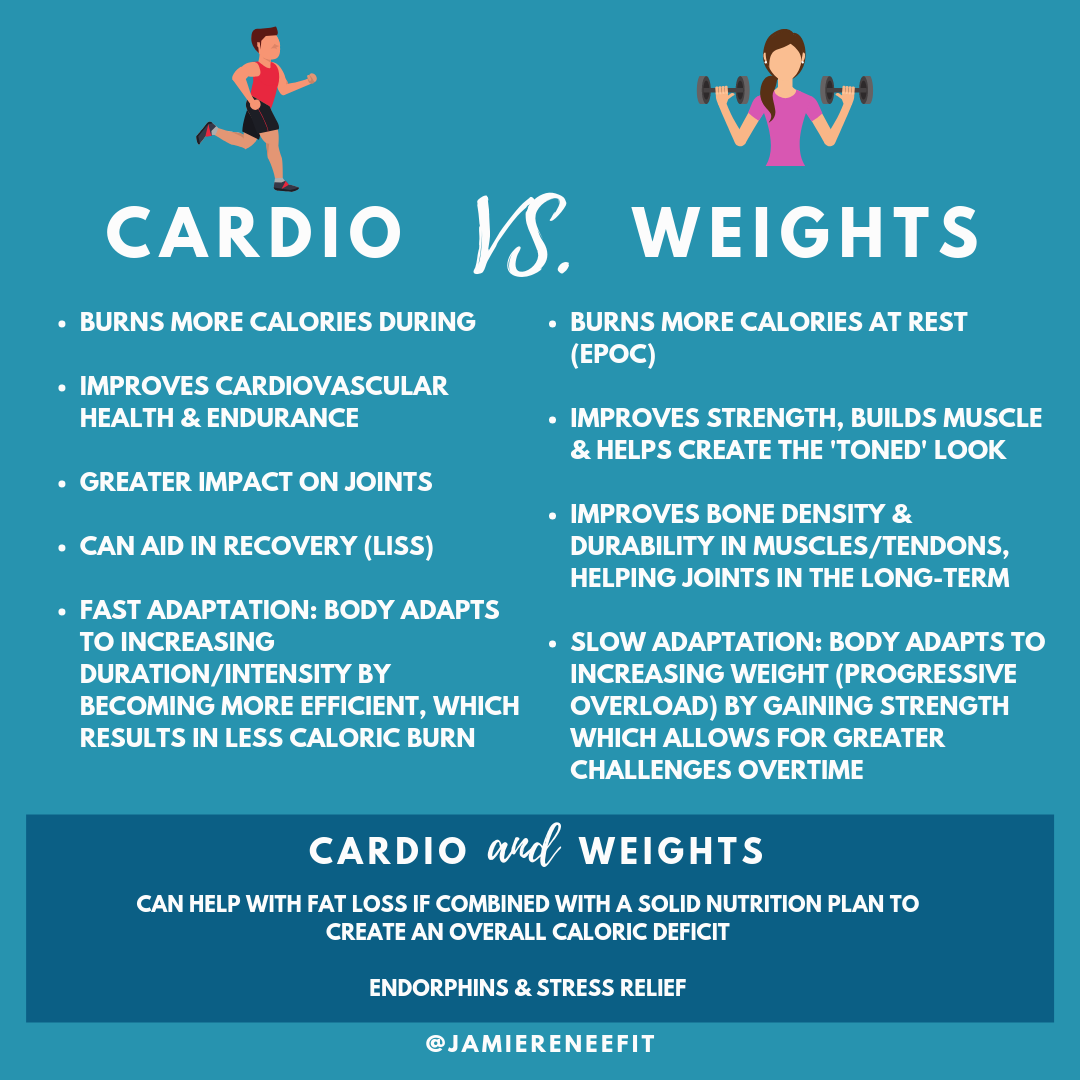
While running burns calories, vests deliver dual benefits: they increase immediate energy expenditure and may preserve resting metabolic rate (RMR) during weight loss. In the 6-month diet study, the vest group lost slightly more weight initially but crucially regained 50% less fat long-term because their RMR dropped only 16 kcal/day versus 238 kcal/day in the diet-only group. This metabolic protection means your body continues burning calories efficiently after dieting—directly combating the “yo-yo effect” that plagues belly fat reduction efforts.
The 3-Week Vest Protocol That Burns 3.5 Pounds of Fat
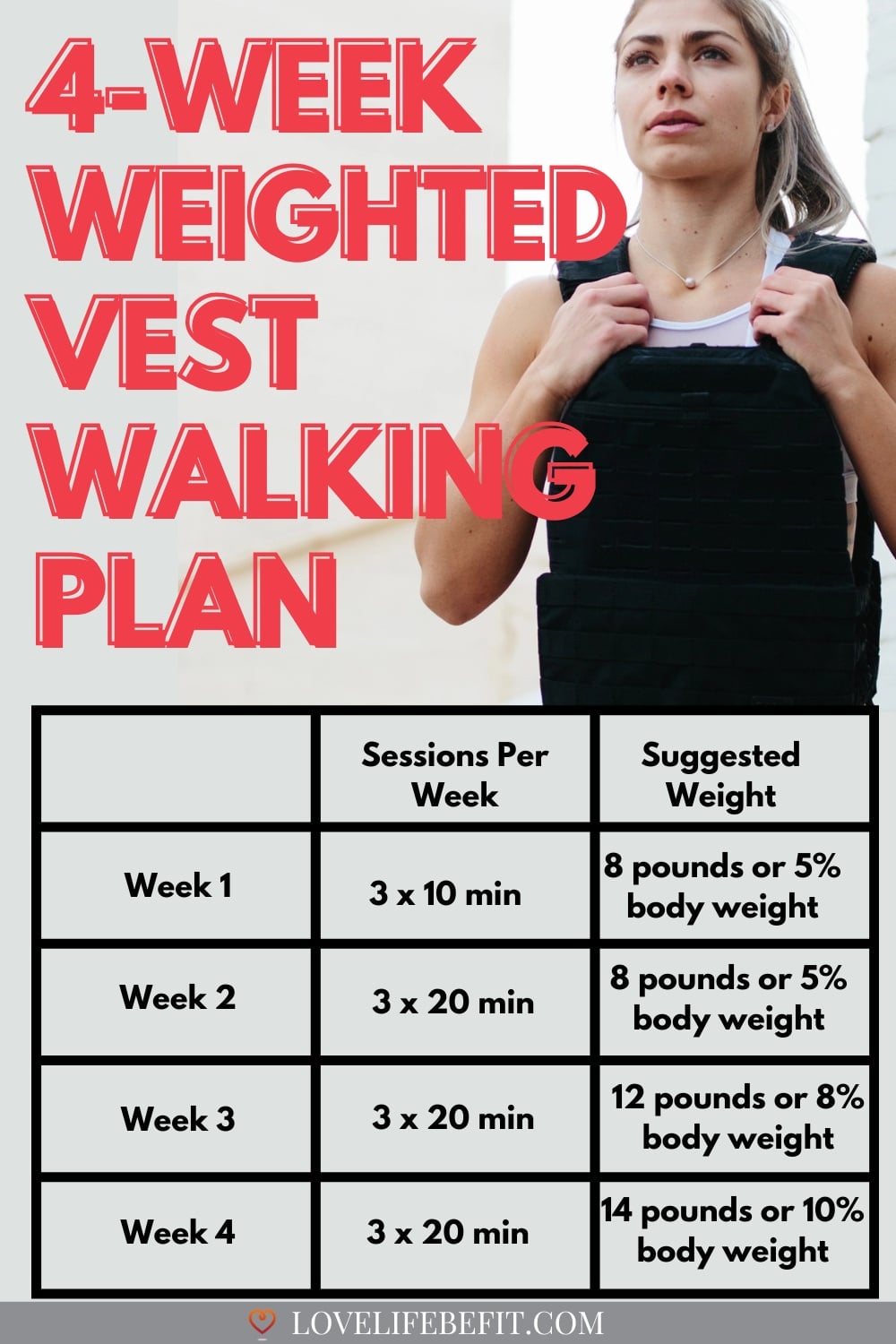
Swedish researchers achieved dramatic results using a precise daily wear schedule that anyone can replicate. The key is progressive loading—never jumping straight to heavy weights. Start at just 5% of your body weight (e.g., 9 pounds for a 180-pound person) for 6 hours daily during normal activities like cooking or walking the dog. This initial phase allows your joints and cardiovascular system to adapt without strain.
Week 1: Building Vest Tolerance Safely
Begin with vest removal during seated work or driving to prevent lower back strain. Track your step count—expect a 500-1,000 daily step decrease initially as your body adjusts to the load. This isn’t failure; it indicates higher caloric burn per movement. If you experience knee or hip discomfort, reduce weight by 1-2 pounds immediately. Proper fit is non-negotiable: the vest must hug your torso snugly without restricting breathing or shifting during movement.
Week 2: Increasing Metabolic Demand
Progress to 7% body weight (12.6 pounds for 180-pound users) for 7 hours daily. Integrate light activity like standing while taking phone calls or walking to nearby errands. Monitor resting heart rate each morning—increases over 10 bpm from baseline signal overexertion. This phase often brings noticeable waistline tightening as your core muscles activate to stabilize the added weight, though scale changes may still be minimal due to fluid shifts.
Week 3: Maximizing Fat Burn
Reach the target 10% body weight (18 pounds) for 8 hours daily. Remove the vest 2-3 hours before bed to avoid sleep disruption. Many users report losing 0.5-1 inch from their waist measurement this week as fat loss accelerates. Crucially, maintain your regular diet—adding the vest alone created the 3.5-pound fat loss in the Swedish trial. For faster results, combine with a 300-500 calorie deficit while prioritizing 0.8-1g protein per pound of body weight.
Exercise Protocols That Target Belly Fat With a Vest
While daily wear delivers baseline results, adding vest-enhanced workouts creates synergistic fat loss. High-intensity interval training (HIIT) proves most effective for visceral fat reduction, and vests amplify its benefits without extending workout time. The critical rule: never exceed 20% body weight during exercise to avoid joint damage.
15-Minute HIIT Vest Circuit for Visceral Fat
Perform this 4x weekly using 5-15% body weight:
– 5 rounds of 45 seconds work / 15 seconds rest
– Jump squats → Push-ups → Burpees → Mountain climbers → High knees
This protocol elevates catecholamines—hormones that specifically target belly fat—while the vest increases caloric burn by 10-15% per movement. Focus on maintaining strict form; sloppy reps with added weight increase injury risk.
Stair Climbing: The Belly Fat Metabolic Booster
Wear 10-15% body weight for 15-20 minutes of continuous stair climbing. Maintain a “conversation pace”—you should speak in short sentences. The anterior weight load forces your core to engage continuously, turning stairs into a potent abdominal workout while burning 13.5 kcal/minute. Stop immediately if you feel lower back strain or knee pain.
Critical Safety Rules for Belly Fat Loss With a Vest

Weighted vests become dangerous without proper precautions. Consult your physician before starting if you have cardiovascular disease, uncontrolled hypertension, or recent joint surgery. Never exceed 15% body weight for daily wear—20% is the absolute max for short exercise sessions. Dr. Jamie Confino of USC warns: “Individuals with joint or balance issues should proceed cautiously as vests increase fall risk.”
Pain Signals That Mean Stop Immediately
Discontinue vest use if you experience:
– Sharp knee or hip pain during walking (indicates joint overload)
– Numbness in legs (sign of nerve compression)
– Lower back pain worsening with vest wear
– Dizziness or balance issues
These aren’t “push through” sensations—they’re injury precursors. Reduce weight by 2-3 pounds and reassess after 48 hours.
The Top 3 Vest Mistakes That Sabotage Belly Fat Loss
Over 70% of vest users fail due to preventable errors. Starting too heavy is the #1 mistake—beginning with 20+ pounds despite weighing 150 pounds causes compensatory movement patterns that reduce calorie burn and increase injury risk. A loose vest creates destructive shearing forces on joints; it should fit like a second skin without restricting diaphragm movement.
Why Skipping Diet Control Nullifies Vest Benefits
Vests amplify results but can’t override energy balance. The Swedish trials showed fat loss occurred without diet changes, but adding a 300-500 calorie deficit accelerates results. Track waist circumference weekly—visible reductions often appear before scale changes as visceral fat shrinks.
Your 30-Day Belly Fat Action Plan
Week 1: Get medical clearance and purchase a vest adjustable from 5-15% of your body weight. Start with 5% for 6 hours daily during light activities.
Week 2: Increase to 7% body weight for 7 hours daily. Add one 15-minute HIIT vest session.
Week 3: Progress to 10% body weight for 8 hours daily. Introduce stair climbing twice weekly.
Week 4: Maintain 10-15% load while tracking waist measurements. Most users lose 2-4 pounds of fat and 1-2 inches from their waist.
Final Reality Check: Weighted vests won’t dissolve belly fat overnight, but science confirms they accelerate overall fat loss—including visceral deposits—when used correctly. The Swedish data proves 3.5 pounds of pure fat loss in 21 days is achievable without dieting. For sustainable results, combine daily vest wear with modest calorie control and HIIT workouts while respecting progressive loading rules. Your waistline reduction journey starts not with another fad, but with the gravitational truth your body already understands.