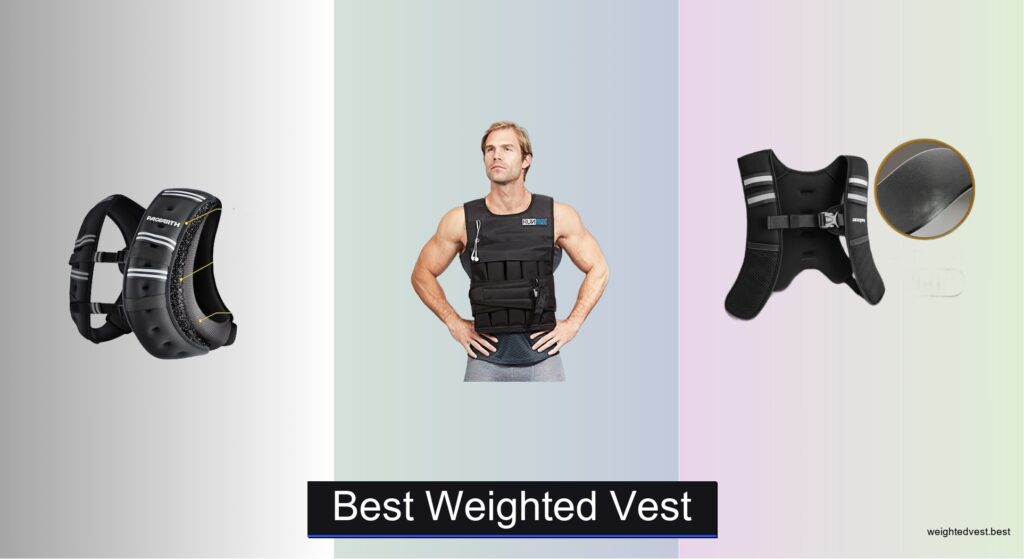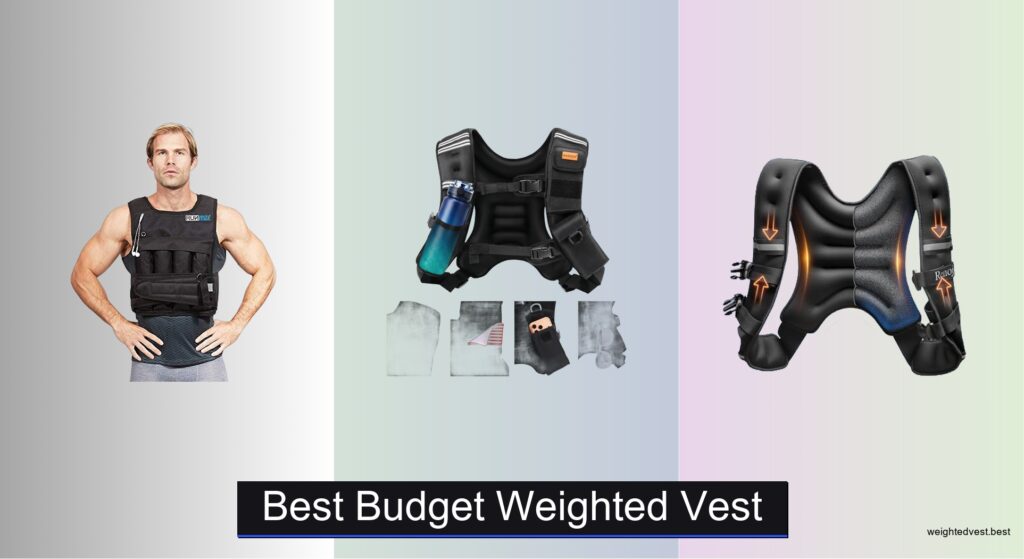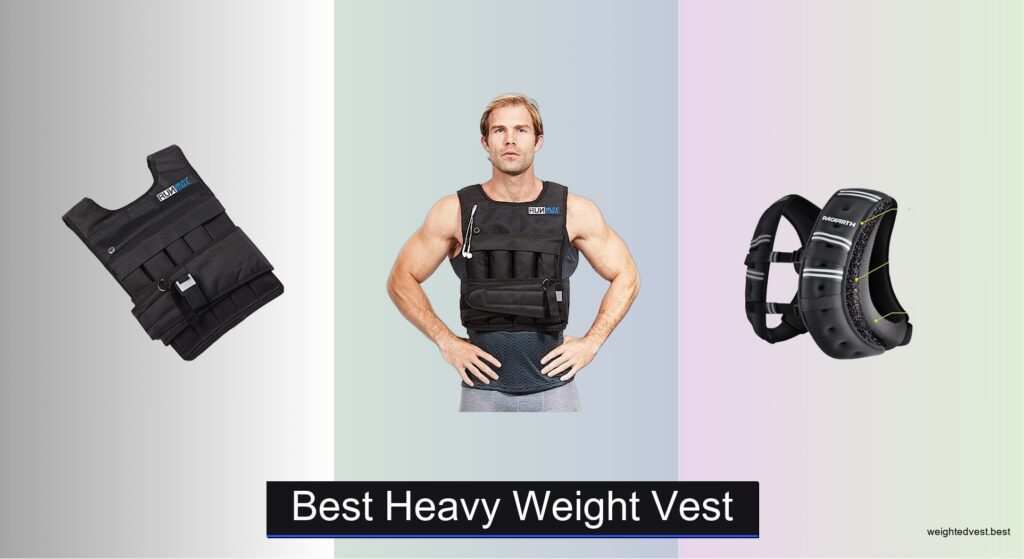
You’ve seen them hiking trails and power-walking neighborhoods—the sleek, sandbag-like vests strapped across torsos. But does weighted vest work deliver real fitness results, or is it just another exercise gimmick? Research reveals a clear pattern: weighted vests significantly boost calorie burn and cardiovascular effort during walking, yet they fall short on viral promises like building muscle or strengthening bones. For healthy adults willing to start light and progress carefully, these vests can amplify workout efficiency by 5-15%. But if you’re hoping for dramatic bone density gains or body transformation, the science says you’ll need more than added weight. Let’s cut through the marketing noise with evidence-based answers.
5-15% More Calories Burned (Backed by Science)
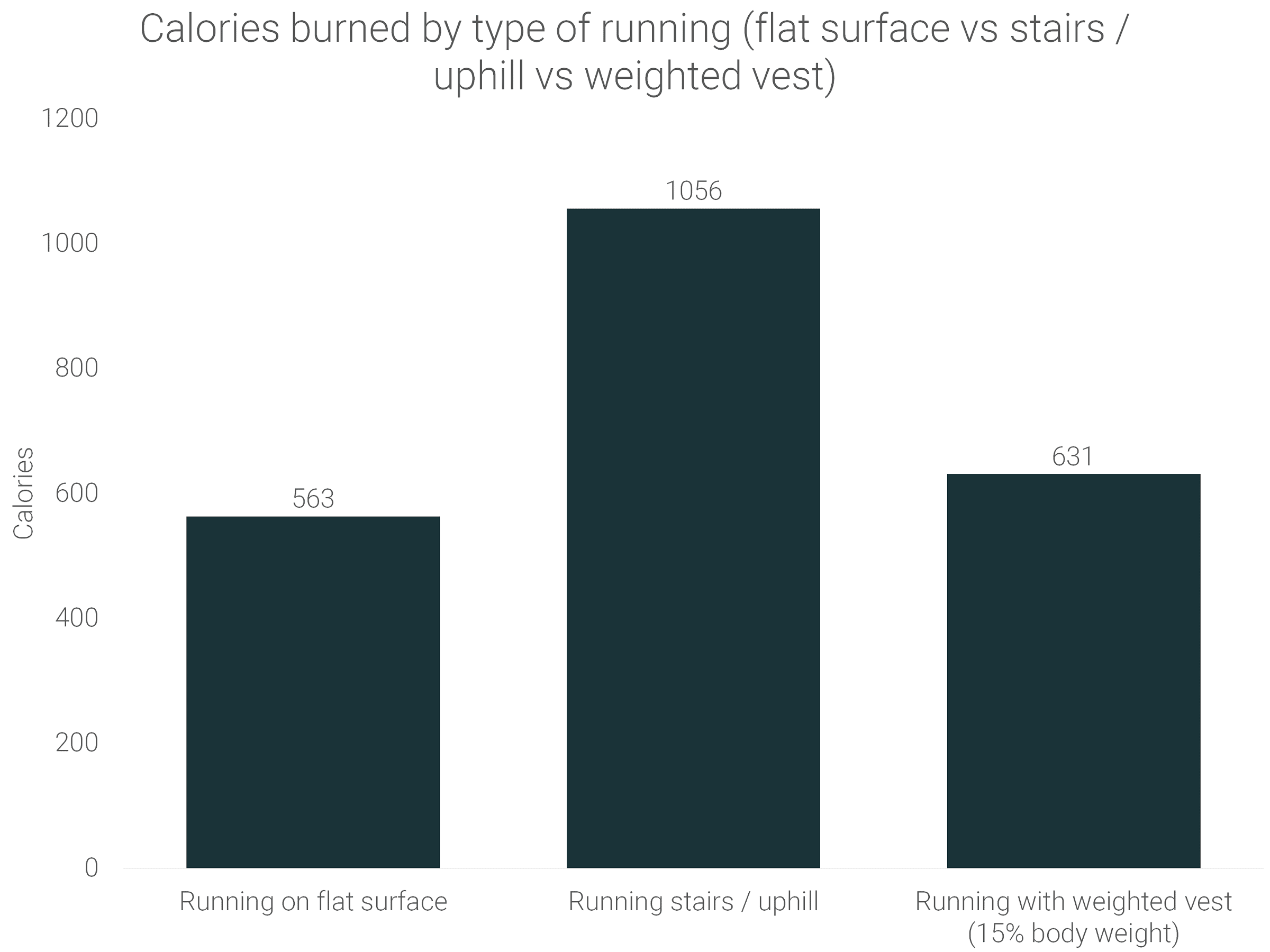
Strapping on a vest directly translates to higher energy expenditure—no guesswork needed. Tufts University researchers confirmed metabolic rate increases linearly with vest load, meaning every added pound yields predictable calorie burn. A 2025 Medicine & Science in Sports & Exercise study proved this: walking with 10% of your body weight (e.g., 15 lbs for a 150-lb person) burns 10-12% more calories than unweighted walking. For a 30-minute walk burning 300 calories, that’s an extra 30-45 calories—small per session but meaningful over months.
How to Maximize Cardiovascular Gains
Why slow walking with weight beats fast walking unweighted
If knee pain or mobility issues prevent brisk walking, vests offer a clever workaround. University of New Mexico research shows weighted walking at 2.5 mph with 10-15% body weight elevates heart rate as effectively as unweighted walking at 3.5-4 mph. This lets you safely build cardiovascular fitness without joint stress. Aim for 3-4 sessions weekly at 7-10% body weight for 25-30 minutes to see VO₂ max improvements within 8 weeks.
Critical mistake to avoid
Starting too heavy causes joint strain and posture collapse. Never exceed 15% of your body weight initially—even 5% (7.5 lbs for 150 lbs) is sufficient for beginners. If your shoulders hunch or breathing feels restricted, reduce the load immediately.
Muscle Activation: What Actually Gets Stronger

Weighted vests uniquely load your entire kinetic chain during basic movements. As you walk or climb stairs, your lower body muscles fire harder to propel the extra weight:
- Quadriceps and hamstrings work overtime during each step’s push-off phase
- Glutes stabilize your pelvis to prevent side-to-side wobble under load
- Calves absorb impact with greater force at foot strike
Your core also engages defensively—abdominals and erector spinae activate to prevent trunk collapse, while trapezius muscles anchor the vest’s weight across your shoulders.
Can vests build muscle? The harsh truth
Roger Fielding from Tufts confirms vests help maintain lower-body strength in older adults through progressive loading. But muscle growth (hypertrophy) requires high-resistance training through full ranges of motion—something walking alone can’t provide. As McMaster University’s Lauren Colenso-Semple states: “The data doesn’t support vests for muscle building.” Pair vest walks with bodyweight squats or lunges to actually stimulate growth.
Bone Density Claims: Why the Research Disagrees
Fitness influencers tout vests for osteoporosis prevention, but the evidence is messy. Wake Forest’s INVEST pilot study initially showed promise: participants wearing vests 6 hours daily during weight loss preserved hip bone density better than controls (-0.6% vs -2.3% loss). Yet their full 12-month trial found no significant difference.
What the science really says
- A Rheumatology International study reported improved bone-formation markers in post-menopausal women using 4-8% body-weight vests 3x weekly
- Conversely, a 2020 Wake Forest trial with adults aged 60-85 showed no bone density protection from vests
- University of Michigan’s Michele Bird concludes: “The evidence has not supported vests as a bone-density hack”
Vests may slow bone loss when combined with impact exercises like jumping, but they won’t increase density alone. Don’t skip targeted resistance training if bone health is your goal.
Who Should Never Use a Weighted Vest
Absolute contraindications (avoid completely)
- Pregnancy after first trimester due to trunk-loading risks
- Current neck, shoulder, or back pain—the extra weight exacerbates strain
- Degenerative disc disease or recent spinal injuries
- Severe balance issues—vests shift your center of gravity
Warning signs requiring immediate removal
- Sharp joint or low-back pain during use
- Forward head posture (chin jutting forward)
- Reduced arm swing or labored breathing
- Dizziness or lightheadedness
If you have osteoporosis with fragility fractures, joint replacements, or heart conditions, get physician clearance first. Many adverse effects stem from improper use—starting too heavy or ignoring discomfort.
Your Step-by-Step Vest Training Protocol
Starting safely (weeks 1-4)
Begin with just 5% of your body weight (e.g., 7.5 lbs for 150 lbs) for 10-15 minutes, twice weekly. Focus solely on maintaining upright posture: shoulders back, chest open, gaze forward. Walk on flat terrain only. In weeks 3-4, increase to 7% body weight for 20 minutes, three times weekly. Add gentle hills if pain-free.
Progressive overload (weeks 5-12)
Advance to 10% body weight for 30-minute sessions 4x weekly. Integrate vest-assisted bodyweight exercises:
– Squats: 3 sets of 10-15 reps (keep vest centered)
– Walking lunges: 2 sets of 12 per leg (avoid wobbling)
– Push-ups: 3 sets to fatigue (vest stays flat on back)
Every 6 weeks, take a “deload week” with 20% less weight or frequency. Never exceed 15% body weight—this is the research-backed safety ceiling.
Activities that backfire with vests
Avoid yoga inversions, tennis, or any sport requiring rapid direction changes. The vest’s inertia increases fall risk during pivots. Also skip overhead pressing movements—the shifting weight strains shoulders.
Real Results from Real Users
TODAY commerce editor Vivien Moon used a 6-lb vest for 3 months: “My cardio endurance improved noticeably, but it got uncomfortably hot in summer.” Fitness writer Kate Neudecker reported a 15-20 bpm higher heart rate during 10-kg vest walks, feeling “more grounded” with plans to continue. Peloton members consistently mention better workout adherence with vest walks—20-30 minutes feels manageable yet challenging.
Does Weighted Vest Work: The Final Verdict
Weighted vests deliver measurable benefits for specific goals:
✅ Calorie burn increases by 5-15% during walking (strong evidence)
✅ Cardiovascular fitness improves comparably to faster unweighted walking
✅ Lower-body strength maintenance in older adults with progressive loading
But they fail where marketing oversells:
❌ Bone density increases (evidence is weak and contradictory)
❌ Muscle hypertrophy (requires dedicated resistance training)
❌ Posture correction (no controlled studies support this claim)
Your action plan: If you’re healthy and realistic, start with a 5-10% body-weight vest for walking. Progress slowly to 10-15% over 8 weeks. Pair it with impact exercises for bone health and resistance training for muscle growth. But if you have joint pain, balance issues, or expect miracle results—you’ll save money skipping this gadget. As Wake Forest’s Kristen Beavers notes: “I don’t think the story is done,” but today’s evidence points to vests as intensity boosters, not magic solutions. Use them wisely within your broader fitness strategy, and you’ll harness their real power: making everyday walks work harder for you.