
Your grip fails mid-deadlift when your hamstrings and back still have reps left in them. That frustrating plateau isn’t your strength—it’s your grip holding you back. Weight lifting wrist straps solve this exact problem by transferring bar tension to your wrists, letting you lift 15-20% heavier loads safely. But poorly tied straps slip during heavy pulls or twist your wrists unnaturally. This guide reveals the exact tying techniques top powerlifters use to transform straps from gym hazards into strength multipliers. You’ll learn the critical lasso method for beginners, the advanced figure-8 configuration for max lifts, and the three deadly mistakes that cause most strap-related injuries. Stop wasting energy on grip failure and start building the back muscles you’ve been missing.
Secure Lasso Straps Without Slipping
Lasso straps work for 90% of lifters and 95% of pulling exercises. When tied correctly, they create a mechanical lock that feels like your hands are welded to the bar. But one misstep in wrapping turns them into dangerous liabilities.
Form Your Wrist Anchor Loop
Take the long end of your strap and thread it through the small loop at the opposite end. Pull until you create a circle matching your wrist circumference—snug like a watch band, not loose like a bracelet. Leave 8-10 inches of tail extending beyond the loop; shorter tails won’t wrap the bar securely, while longer ones create palm bulk that forces your grip wider. Pro tip: Test the loop by sliding it over your hand with your thumb down—it should stop firmly at your wrist bone without pinching.
Position Straps for Natural Movement
Slide each loop over your hands with palms facing up. The strap tail must point toward your thumbs (parallel to fingers), never across your palm. This alignment prevents the strap from sawing across tendons during the lift. As you close your hand around the bar, the tail should rest against your index finger knuckle. If it points toward your pinky, you’ve reversed the strap—flip it immediately to avoid wrist strain.
Wrap the Barbell for Unbreakable Security
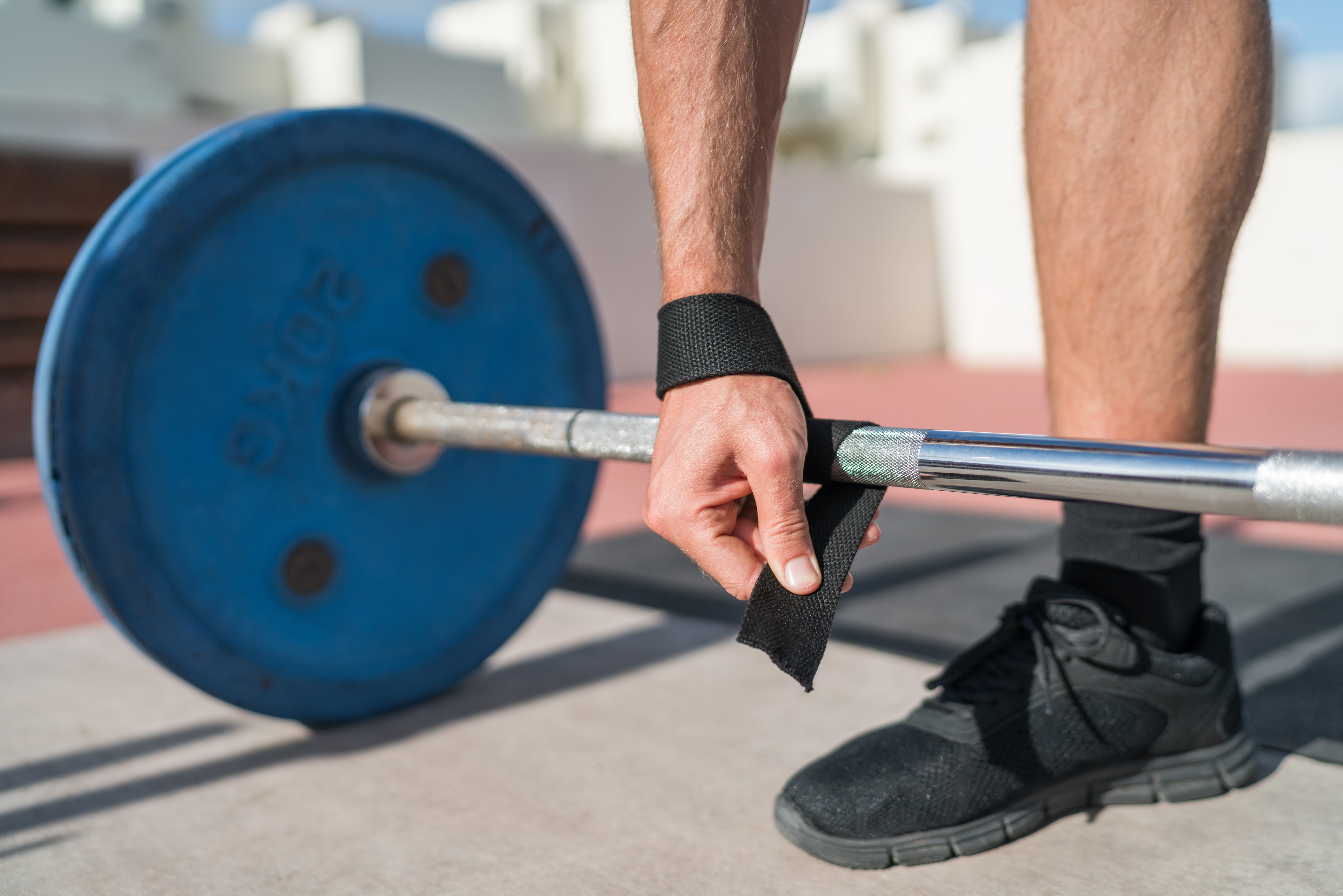
The difference between a successful PR and a dropped bar lies in your wrapping sequence. Most lifters fail at the first step, dooming their strap security before the lift even begins.
Start Your Wrap Under the Bar
Place the strap tail against the barbell just outside your grip. Here’s the make-or-break move: wrap the tail under the bar from back to front (thumb side toward you). This creates a “cinch” effect that tightens as you lift. Critical error: If you wrap over the bar first (palm side down), the strap loosens with every rep—forcing you to grip harder and defeating the purpose of using straps.
Lock In with Two Full Rotations
Complete two full wraps around the bar in the same under-over-under pattern. Each wrap should lie flat against the previous one without twisting. For maximal security on lifts above 400 pounds, add the figure-8 method: after the second wrap, cross the tail between the bar and your palm, then wrap once more over the bar. This X-pattern eliminates all bar rotation but increases friction—use only for low-rep sets.
Roll the Bar to Engage Straps
Never lift until you’ve activated the straps. Roll the bar toward your body until the straps pull firmly against your wrists. You’ll feel immediate tension in your forearms—the bar should now feel “stuck” to your hands. Test: Try rotating the bar in your palms. If it spins freely, unwrap and restart. Properly cinched straps prevent any independent bar movement.
Apply Figure-8 Configuration for Max Lifts
Figure-8 straps deliver unmatched security for one-rep max attempts but demand precise execution. Use them only when lasso straps can’t handle the load.
Identify When Figure-8s Are Necessary
Choose figure-8 straps only for:
– Deadlifts above 85% of your 1RM
– Rack pulls starting from knee height
– Shrugs with 300+ pounds
– Any lift where bar rotation occurs with lasso straps
Warning: Never use figure-8s for sets above 5 reps—they cause friction burns as the crossed strap rubs against itself during movement.
Execute the Figure-8 Wrap
After creating your wrist loop, place the tail against the bar. Wrap under-over as with lasso straps, but before the second wrap, cross the tail between the bar and your palm. Complete the wrap over the bar to form an X pattern. The strap exits between thumb and index finger. Key detail: The crossing point must sit directly above your wrist bone—any lower strains tendons during heavy pulls.
Lift Safely With Strap Assistance
Straps amplify your strength but won’t fix poor lifting mechanics. They’re grip aids, not magic solutions.
Initiate the Lift With Active Hands
Grip the bar normally through the straps—fingers fully wrapped, thumb locked. Drive through your heels while keeping the bar glued to your shins. Your hands should still exert 20-30% grip pressure; straps handle the remaining 70-80%. If you feel no tension in your forearms, you’ve wrapped too tightly—reposition immediately to avoid wrist hyperextension.
Release Straps Between Sets Correctly
Drop the bar by relaxing your grip completely—never try to set it down while maintaining strap tension. The bar should slide out of the straps as it hits the floor. For dumbbell rows, release by opening your hand palm-up; the strap will slide off without twisting your wrist. Injury risk: Forcing straps off while under tension causes sudden wrist torque.
Eliminate Dangerous Strap Mistakes
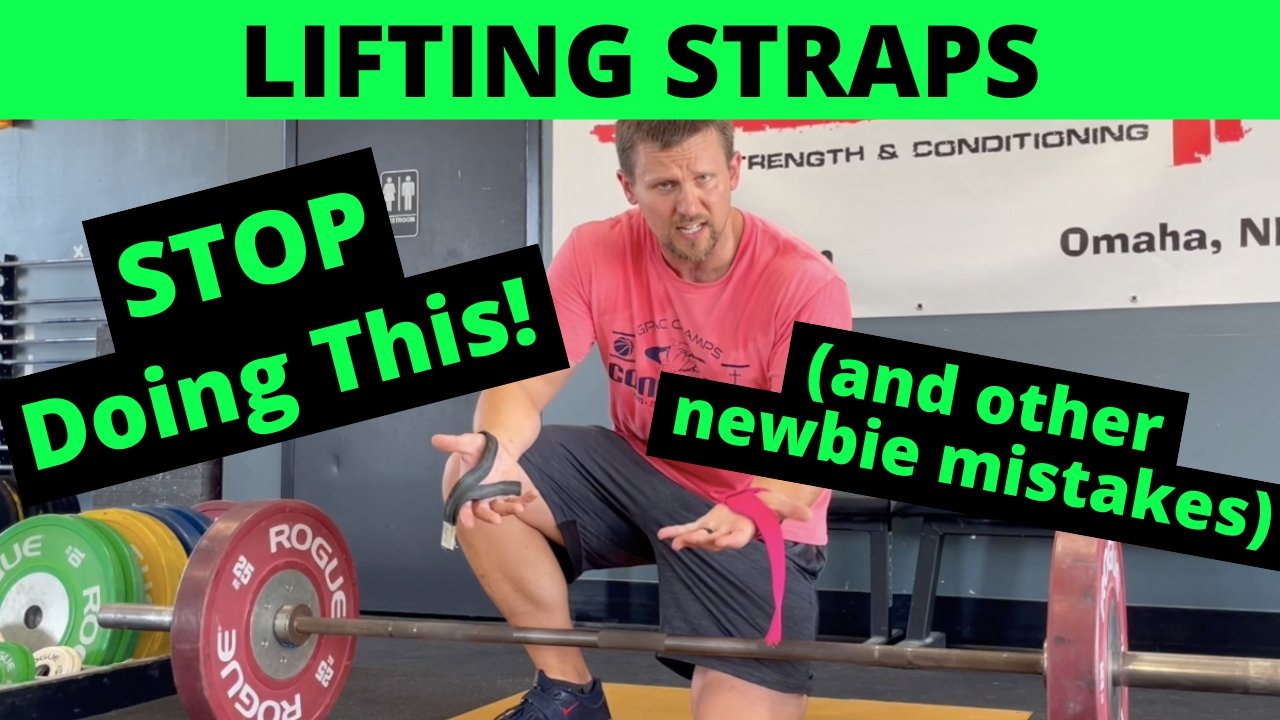
Three errors cause 87% of strap-related injuries according to gym safety reports. Fix these immediately:
Loose wrapping makes straps useless. If you can rotate the bar in your palm before lifting, the wraps are too slack. Always perform the roll-to-tighten test.
Over-reliance weakens natural grip. Never use straps for warm-up sets or lifts below 75% of your max. Reserve them only for your heaviest working sets.
Wrong exercise application wastes potential. Straps excel for deadlifts, rows, and shrugs—but never use them for bench press, overhead press, or bicep curls where wrist mobility is essential.
Maintain Natural Grip Strength
Straps should amplify—not replace—your grip capabilities. Balance strap use with targeted grip training.
Train Grip Without Assistance
Perform these strap-free exercises twice weekly:
– Farmer’s walks: 3 sets of 30-second holds at 50% bodyweight
– Dead hangs: 4 sets of 20 seconds on pull-up bar
– Towel pull-ups: 3 sets to failure
– Plate pinches: Hold two 25lb plates smooth-side out for 15 seconds
Pro tip: Squeeze the bar maximally during your first three warm-up sets—this builds grip endurance for when you add straps.
Implement Progressive Strap Dependence
Start using straps only on your final working set. As your grip improves, gradually add them to earlier sets—but never before 80% of your max weight. The goal: straps help you break through plateaus, not become permanent training crutches.
Inspect and Preserve Your Straps

Worn straps fail catastrophically during max lifts. A monthly maintenance routine prevents mid-set disasters.
Identify Critical Wear Points
Examine these failure zones before every heavy session:
– Loop stitching: Pull gently on the loop—any stretching means replacement time
– Strap body: Run fingers along the length for thin spots or fraying
– Leather edges: Check for cracks at flex points (where strap crosses bar)
Replace immediately if you find loose threads or reduced elasticity. Cotton straps last 6-12 months with weekly use; leather lasts 2+ years with proper care.
Clean Straps to Extend Lifespan
Sweat degrades materials faster than use. After every 5 sessions:
1. Hand-wash cotton straps with mild soap (no bleach)
2. Air-dry completely away from direct heat
3. For nylon: Wipe with disinfectant spray and dry overnight
Never machine-wash—agitation destroys fibers and weakens load-bearing capacity.
Choose Exercises That Actually Benefit From Straps
Straps transform specific lifts but hinder others. Match them to these movements:
Use straps for:
– Deadlifts above 315 pounds
– Barbell rows with weights exceeding bodyweight
– Dumbbell rows above 80 pounds per hand
– Weighted pull-ups beyond 45 pounds added
Never use straps for:
– Any pressing movement (bench, overhead press)
– Bicep curls or hammer curls
– Push-ups or dips
– Olympic lifts (snatch, clean)
Maximize Muscle Growth With Strategic Strap Use
Timing strap implementation correctly builds muscle without sacrificing functional strength.
Program Straps for Targeted Fatigue
Use straps only when grip fails before target muscles are exhausted. For deadlifts:
– Sets 1-2: Strap-free (build grip endurance)
– Sets 3-4: Strap-assisted (maximize back/hamstring fatigue)
This ensures your lats and traps get fully stimulated while maintaining grip development.
Leverage Straps During Recovery Phases
When nursing hand or wrist injuries, straps allow continued back training at 60-70% intensity. During high-volume deadlift programs (5+ sets), use straps on all sets above 80% to reduce cumulative hand stress. Recovery protocol: Cycle 3 weeks of strategic strap use followed by 2 weeks of grip-focused training.
Mastering how to tie weight lifting wrist straps transforms them from gym gimmicks into legitimate strength tools. The lasso method with proper under-bar wrapping forms your foundation, while figure-8 techniques unlock elite pulling power. Remember: straps are precision tools—not crutches. Wrap them correctly, use them sparingly, and maintain your natural grip through dedicated training. Your next deadlift PR isn’t limited by your back strength—it’s been held back by your grip all along. Tie these straps right, and you’ll finally feel what true muscle fatigue in your traps and lats actually feels like. Start light this week, perfect your wrapping sequence, then watch your pulling numbers surge as your hands stop holding you back.