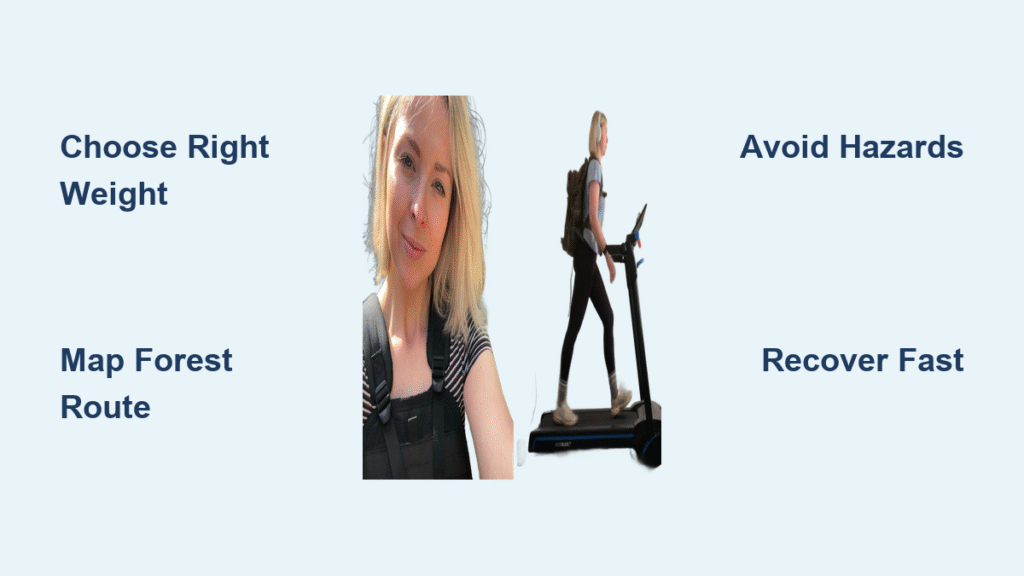
The crisp morning air bites just enough at fifteen degrees Celsius to wake your senses as you adjust your weighted vest for the challenge ahead. You’re standing at the edge of a sprawling military training forest, where every step of your upcoming 10km weighted vest challenge will test your endurance, balance, and mental fortitude against nature’s unpredictable terrain. This isn’t treadmill training—you’re about to experience how raw forest conditions transform a simple weighted workout into a full-body transformation.
I’ve completed this exact challenge more times than I can count in the military forest just fifteen minutes from my home. What begins as a manageable walk quickly evolves into a demanding test of willpower by kilometer seven, when the vest weight seems to double and your legs start questioning every decision. Today, I’ll reveal the precise strategies that helped me—and countless others—conquer this demanding course while avoiding the most common pitfalls that derail first-timers.
How to Navigate Forest Terrain with Your Weighted Vest
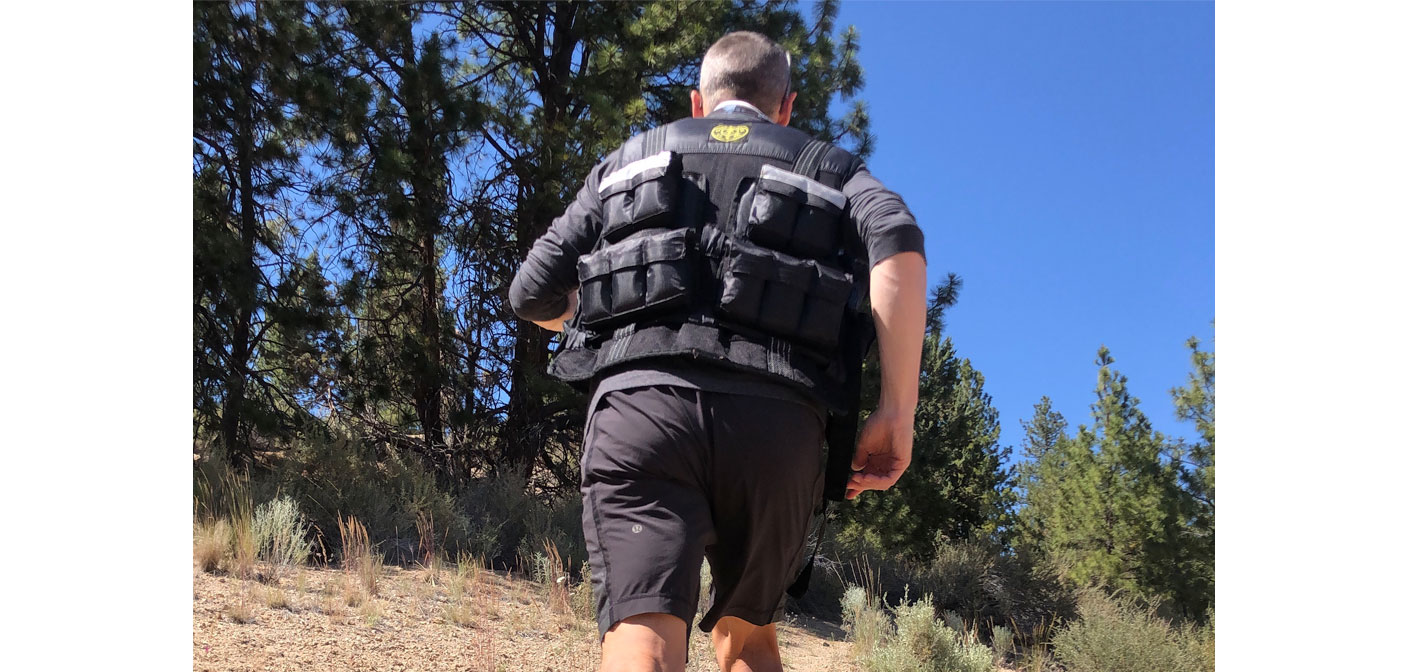
Military training forests present unique challenges that city parks or paved trails simply don’t prepare you for. The ground shifts unpredictably beneath your feet—soft pine needles give way to exposed roots, then suddenly to muddy patches carved by military vehicles. Your weighted vest fundamentally changes how you interact with this environment, demanding heightened awareness and strategic movement.
Map Your Exact Forest Route Before Starting
Identify Natural Checkpoints for Mental Milestones
– Walk the entire route without weight first to spot potential hazards
– Use distinctive trees, streams, or ridge lines as visual markers every 1-2 kilometers
– Note elevation changes that become deceptive when fatigue sets in around kilometer 7
– Mark emergency exit points where you can safely leave the trail if needed
Adjust for Weather-Dependent Trail Conditions
Morning dew transforms root systems into slippery hazards until late morning. After rain, certain sections become energy-sapping mud pits that demand extra caution with your weighted vest. Dry conditions create dust clouds that affect breathing while increasing the risk of dehydration. Always check the forecast and be prepared to modify your route based on current conditions—your weighted vest makes these environmental factors significantly more challenging.
Select the Perfect Weight for Forest Challenges

Choosing the right vest weight separates successful challengers from those who barely finish. Too heavy, and you’ll compromise your balance on uneven forest terrain. Too light, and you’ll miss the transformative training stimulus these natural environments provide. Based on years of testing different configurations in military forests, I’ve identified specific weight ranges that deliver optimal results.
Match Your Weight to Your Forest Experience Level
Beginner Forest Challenge: 10-15% of Body Weight
If this is your first forest weighted vest challenge, start here. This weight range builds foundational endurance without compromising your form when navigating technical terrain. You’ll maintain reasonable speed while developing the trail-specific strength needed for more advanced challenges.
Intermediate Level: 15-20% of Body Weight
This is where your challenge becomes serious training. Expect your heart rate to climb significantly faster on inclines. Balance becomes crucial when navigating complex root systems and unexpected rock formations. Your weighted vest will transform familiar terrain into a demanding obstacle course.
Advanced Challenge: 20-25% of Body Weight
Reserved for experienced athletes who’ve completed multiple forest challenges. This weight dramatically alters your center of gravity, requiring conscious foot placement with every step. Descents become particularly challenging as the vest pulls you forward—master this weight range and you’ll develop extraordinary stability.
Avoid Military Forest Hazards During Your Challenge
Training alone in military forests demands extra safety precautions beyond standard trail running. Soldiers train here for combat readiness—you’re training for personal growth, but their presence adds critical variables you must consider for your safety during the weighted vest challenge.
Complete This Safety Checklist Before Starting
Essential Visibility and Emergency Gear
– Wear bright colors that contrast with forest backgrounds
– Attach an emergency whistle to your vest strap for immediate signaling
– Carry a fully charged phone with offline maps downloaded
– Pack a basic first aid kit in an easily accessible vest pocket
– Bring at least 500ml water per 5 kilometers—you’ll sweat more than expected
Critical Communication Protocol
Text a friend your exact route and expected return time before starting your 10km weighted vest challenge. Check in at predetermined intervals if possible. Research military training schedules for your specific forest—never enter active training zones. Verify civilian access hours as they vary by location and season.
Handle Military Encounters With Proper Protocol
If you encounter active military training during your challenge: Stop immediately and move off the path. Make yourself visible but maintain a respectful distance—never approach. Wait for a clear signal before continuing. Never photograph or record military activities—this could have serious legal consequences. Remember, soldiers are training for real-world scenarios; your safety depends on respecting their operational needs.
Fix These Common Weighted Vest Forest Mistakes

The forest magnifies errors that city training might forgive. Weighted vest mistakes compound quickly when roots, slopes, and uneven ground enter the equation—often leading to failed challenges or injuries.
Correct Your Foot Placement Technique Immediately
Stop Looking Down Constantly
Your weighted vest shifts your balance forward, but constantly watching your feet creates neck strain and reduces reaction time for upcoming obstacles. Instead, develop the habit of scanning 3-5 meters ahead while using peripheral vision for immediate foot placement. This technique preserves energy and prevents tripping on larger obstacles.
Master Root Navigation Patterns
Tree roots create natural stairs and trip hazards. With added weight, catching your toe means a potentially serious fall. Train yourself to step over small roots, use larger ones as natural platforms, and always test questionable surfaces with partial weight before committing fully. This skill makes the difference between a smooth run and an early end to your challenge.
Adjust Your Pacing Strategy for Natural Terrain
Resist Forest Excitement at the Start
The beauty of your surroundings—birds singing, fresh air, dappled sunlight—can trick you into starting too fast. Your first kilometer should feel almost too easy. Save energy for the technical sections where your weighted vest truly challenges your balance and endurance.
Identify and Use Natural Recovery Zones
Military forests include strategic clearings and gentle slopes. Use these for active recovery by slowing your pace, focusing on deep breathing, and letting your vest weight work with gravity instead of against it. These brief recovery moments determine whether you’ll successfully complete all 10km.
Recover Properly After Your Forest Weighted Vest Challenge
Your body responds differently to 10km of weighted forest training versus road running. Proper recovery prevents lingering fatigue and prepares you for your next challenge.
Implement Immediate Post-Challenge Actions
Remove Your Vest Within 60 Seconds of Finishing
The weight relief feels dramatic—embrace it. Walk slowly for 5-10 minutes without the vest to recalibrate your balance. Focus on deep breathing to flush metabolic waste. Never sit down immediately—this traps lactic acid in your muscles.
Execute Your Hydration Strategy
Forest air is often deceptively dry, especially under tree cover. You lose more fluid than you realize during your weighted vest challenge. Drink 500-750ml within the first hour. Add electrolytes if your challenge took longer than 90 minutes or if you sweat heavily—this prevents muscle cramps during recovery.
Recognize Next-Day Recovery Signals
Distinguish Normal Soreness from Injury
Expect deep muscle fatigue in your core and stabilizers—these worked overtime managing your vest on uneven ground. Sharp joint pain, especially in knees or ankles, suggests you pushed too hard or need better footwear. Don’t ignore sharp pain—it could indicate damage requiring rest.
Choose Effective Active Recovery
Light walking without your vest maintains mobility better than complete rest. Focus on ankle circles, hip openers, and shoulder rolls. The forest provides perfect recovery terrain—gentle walks on soft surfaces speed healing while preparing you for your next weighted vest challenge.
Final Note: Your 10km weighted vest forest challenge transforms ordinary fitness into extraordinary personal development. By respecting the terrain, selecting appropriate weight, and implementing these precise strategies, you’ll build not just physical strength but mental resilience that transfers to every aspect of life. Start conservative with your first challenge, progress systematically, and soon you’ll discover why forest-based weighted training delivers results no gym can match. The forest awaits your next challenge—will you answer the call?