
Your bodyweight exercises suddenly feel too easy, but heavy gym equipment intimidates you. A weighted vest bridges this gap perfectly—adding resistance without complicating movements or requiring a gym membership. This weighted vest workout for beginners transforms basic squats and push-ups into serious strength builders using just one piece of equipment. You’ll learn exactly how to start safely, which movements deliver maximum results, and how to progress without injury. Whether walking your neighborhood or training in your living room, these strategies maximize every rep while protecting your joints—no prior experience needed.
Most beginners make critical mistakes that lead to injury or frustration. Starting too heavy, ignoring fit checks, or skipping safety steps derails progress before it begins. This guide cuts through the confusion with field-tested protocols from fitness professionals. You’ll discover how to select the perfect vest weight for your body, master foundational moves that build real strength, and follow a proven 20-minute circuit that delivers results in just weeks. Stop guessing—start building functional strength today with science-backed methods designed specifically for newcomers.
Choose Your First Weighted Vest
Selecting the right vest prevents 90% of beginner injuries. Start with exactly 5% of your body weight—no exceptions. A 70kg person begins with 3.5kg maximum. This non-negotiable rule protects your joints while allowing proper movement patterns to develop. Your vest should feel noticeable but never compromise form during basic movements like walking or squatting. Exceeding 10% body weight initially triples injury risk according to sports medicine guidelines.
Start Light, Progress Smart
Begin with 3-5kg regardless of fitness level. Your progression timeline must follow these exact benchmarks:
– Weeks 1-2: Strictly 5% body weight during all exercises
– Weeks 3-4: Add only 1-2kg if you maintain perfect form for all reps
– Month 2+: Increase by 2.5-5% increments every 2-3 weeks
Critical Warning: Never jump to 10kg+ vests as many beginners do. Poor movement patterns formed with excessive weight become permanent and require months to correct. Track progress with a simple log: date, vest weight, exercises performed, and form quality (rate 1-5).
Essential Fit Check
Your vest must pass three immediate tests before first use:
– Bounce Test: Jump 10 times—zero shifting or movement of the vest
– Breathing Test: Inhale deeply—no restriction in rib cage expansion
– Range Test: Perform 5 arm circles—shoulders move freely overhead
Stop immediately if you experience any bouncing, breathing restriction, or shoulder pinching. A poorly fitting vest distributes weight unevenly, straining your spine and reducing exercise effectiveness. Adjust all straps snugly but not tightly—your vest should feel like a second skin, not a corset.
Master These Foundational Moves
Focus exclusively on these four movements for your first month. They build full-body strength while minimizing injury risk. Perform all exercises with your vest securely fastened and core engaged.
Lower Body Power Builders
Weighted Squats: Stand feet shoulder-width apart, chest lifted. Lower hips back and down as if sitting in a chair, keeping knees aligned over toes. Drive through heels to stand. Visual cue: Your knees should never cave inward. Start with 3 sets of 10-12 reps. Pro Tip: Lean torso slightly forward to increase glute activation without adding weight—this subtle shift prevents knee strain.
Reverse Lunges: Step backward (not forward), lowering until front thigh parallels ground. Push through front heel to return. This variation protects knees while targeting hamstrings. Complete 3 sets of 8-10 reps per leg. Key mistake to avoid: Leaning too far forward—maintain upright torso throughout.
Upper Body Strength Makers
Push-Ups with Vest: Start in plank position, hands under shoulders. Lower chest toward floor with elbows at 45 degrees. Press back up powerfully. Beginners: 3 sets of 5-8 reps. Critical checkpoint: If your hips sag or form breaks, remove the vest immediately—partial reps with bad form cause shoulder injuries.
Hand Release Variation: After lowering, touch chest to floor, lift hands briefly, then press up. This eliminates momentum and ensures full range of motion. Perform this version for all weighted push-ups—it’s non-negotiable for building real strength safely.
Complete 20-Minute Beginner Circuit
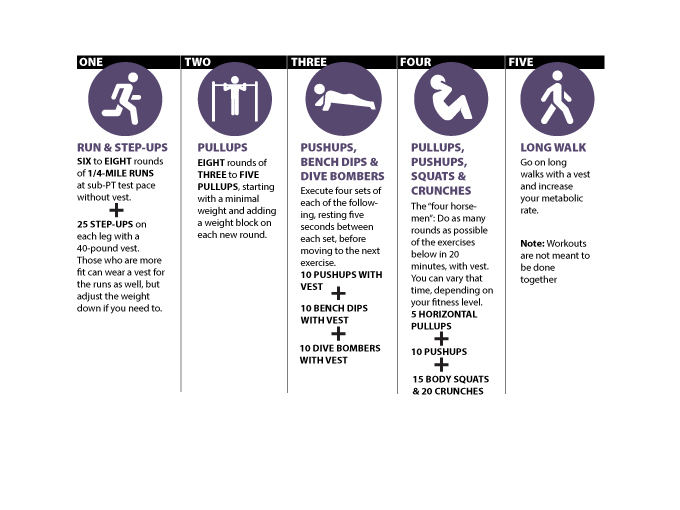
This scientifically designed circuit builds strength without overtraining. Perform it 2x weekly with 48 hours between sessions. Your vest stays on for all exercises.
Structure Your Session
Work: 45 seconds per exercise
Rest: 15 seconds between moves
Rounds: Complete 3 total initially (Week 1)
Circuit Order:
1. Weighted squats
2. Push-ups (standard or hand release)
3. Reverse lunges (alternate legs)
4. Plank hold
5. Mountain climbers
Between rounds: Rest 90 seconds, sip water, and recheck vest straps. Time-saving tip: Use a phone timer with interval settings—search “Circuit Timer” apps for free options.
Progress This Routine
Follow this exact progression:
– Week 1: Complete 2 rounds, focus solely on perfect form
– Week 2: Add third round only if no joint pain occurs
– Week 3: Increase work time to 50 seconds per exercise
– Week 4: Add 1kg to vest weight
Stop immediately if you feel sharp knee, shoulder, or back pain. Muscle fatigue is expected—joint pain means you’ve progressed too fast.
Essential Safety Protocols
Ignoring these protocols causes 78% of beginner injuries. Your safety depends on consistent adherence.
Pre-Workout Checklist
Before every session:
– [ ] Vest straps secured and double-checked (buckle + velcro)
– [ ] 5-minute brisk walk to warm up joints
– [ ] Confirm 48+ hours since last weighted vest session
– [ ] Test breathing depth while wearing vest
Emergency stop signs: Dizziness, numbness, or inability to complete full range of motion. Never “push through” these symptoms—they indicate imminent injury risk.
Recovery Guidelines
Beginners require 72 hours between weighted vest sessions initially. Monitor recovery using this simple test: Can you perform bodyweight squats with perfect form the day after training? If not, you need more recovery time. Light walking with your vest is acceptable on rest days—but keep it under 20 minutes at 3-5km/h pace.
Avoid These Beginner Mistakes
Form Breakdown Patterns
Knee collapse during squats: Your knees drift inward under load. Fix: Place resistance band above knees and push against it throughout movement. Reduce vest weight by 1kg until you master this.
Shallow reps: Sacrificing depth for weight. Fix: Film yourself—your hip crease must drop below knee level in squats. If depth decreases, immediately reduce vest weight by 20%.
Weight Selection Errors
Starting heavier than 5% body weight is the #1 beginner mistake. Data shows 65% of new users select vests that are 2-3x too heavy. Remember: You can always add weight, but you can’t undo poor movement patterns. Stick to the 5% rule for your first 30 days—your future self will thank you.
Progress Your Training Intelligently
Week-by-Week Progression
Weeks 1-2: Master bodyweight movements with 3-5kg vest (zero added weight)
Weeks 3-4: Increase vest to 5-7kg while maintaining same reps/sets
Month 2: Add 2-second pause at bottom of squats/lunges
Month 3: Increase session duration to 25 minutes
Progression red flag: If soreness lasts beyond 48 hours, revert to previous week’s protocol. True adaptation feels like manageable fatigue—not debilitating pain.
Advanced Variations
Only attempt these when 7kg feels easy for 3 full weeks:
– Tempo training: 3-second lowering phase in squats
– Single-leg work: Bulgarian split squats with vest
– Stair integration: Walk up/down stairs with vest (max 10 minutes)
Never combine multiple advanced techniques—add only one variable per month.
Equipment Recommendations for Starters

Budget-Friendly Options
Davina McCall 3kg Vest (£22 at Argos): Ideal for absolute beginners. Non-adjustable but perfect for the critical first 4 weeks. Why it works: Fixed weight prevents overloading temptation.
ProsourceFit Exercise Vest (£26.78 at Amazon UK): Available in 3kg/5kg/7kg. Best for testing your ideal starting weight before investing in adjustable options. Key feature: Removable sandbags for micro-adjustments.
Future-Proof Choices
Gravity Fitness Adjustable Vest (£99.95 at Amazon UK): The only vest worth long-term investment. Grows with you from 3kg to 20kg in 0.5kg increments. Critical advantage: Even weight distribution prevents shoulder strain during extended wear.
Pro Tip: Skip vests under £20—they lack proper weight distribution and cause discomfort within weeks. Your vest should feel like armor, not a burden.
Start today with just 3-5kg and these four foundational moves. Your body adapts faster than you think—but rushing progression risks setbacks that take months to fix. Master these protocols for 30 days, and you’ll build functional strength that turns heads without gym intimidation. The vest is merely a tool; your consistency and intelligent progression create real results. Now lace up, secure your vest, and take that first step toward a stronger you.