
That dull ache in your shoulders after a simple arm raise? It’s not injury—it’s your muscles finally getting the resistance they’ve been missing. Wrist weight bands exercises deliver targeted resistance that turns everyday movements into serious strength builders. While most fitness enthusiasts overlook these compact accessories, they represent one of the most efficient ways to maximize muscle engagement without bulky equipment. Unlike traditional weights that limit movement patterns, wrist weights add resistance exactly where your muscles need it most—throughout the entire range of motion.
The real magic happens when you realize these aren’t just for arm workouts. Strategic use of wrist weight bands exercises transforms bodyweight movements into full-body challenges that build functional strength. Whether you’re rehabbing an injury with controlled resistance or pushing past stubborn plateaus, these versatile tools bridge the gap between basic stretching and serious strength training. This guide reveals exactly how to integrate wrist weight bands exercises safely and effectively—avoiding common mistakes that could sideline your progress before you see results.
Essential Safety Rules That Prevent Wrist Weight Injuries
Start with 0.5-1 kg Weights or Risk Joint Damage
Jumping straight to heavy resistance is the fastest route to tendonitis with wrist weight bands exercises. While commercial models reach 5 kg per wrist, your joints need time to adapt to constant load. Begin with the lightest weights available—even if you regularly lift heavier dumbbells—because wrist weights create continuous tension that traditional weights don’t. Most users dramatically underestimate how quickly small weights fatigue stabilizer muscles.
Critical warning signs to stop immediately:
– Sharp pain in wrists, elbows, or shoulders
– Numbness or tingling in fingers
– Excessive fatigue that compromises proper form
Strict Time Limits for Safe Wrist Weight Use
Never wear wrist weight bands for more than 45 minutes continuously, regardless of workout intensity. During sleep? Absolutely forbidden—your circulation needs unrestricted blood flow for recovery. If you can’t complete your regular stretching routine without weights, you’re not ready for weighted movements. The human arm represents approximately 6.5% of total body weight, so adding even 1 kg creates significant additional resistance your joints must manage.
Upper Body Wrist Weight Exercises That Build Real Strength
Side Lateral Raises for Defined Shoulder Caps
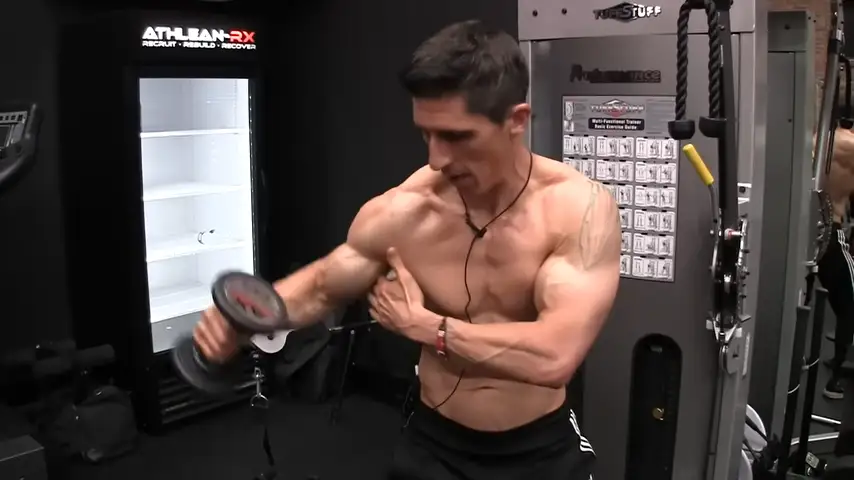
Stand with feet hip-width apart, arms hanging naturally. Raise both arms straight out to your sides until parallel with the floor, keeping elbows locked throughout. This seemingly simple movement specifically targets your lateral deltoids while engaging upper trapezius for stabilization. The key difference with wrist weight bands exercises? Every inch of movement becomes resistance training.
Pro technique tip: Perform 3 sets of 12-15 reps using 1 kg weights. Control the descent—lowering too quickly shifts tension away from target muscles. When traditional dumbbells aren’t available, these become your primary shoulder builder.
Front Lateral Raises for Stronger Push Movements
The front version targets your anterior deltoids while engaging upper chest muscles. Start with arms hanging naturally, then raise both arms directly in front of your body until parallel with the floor. Keep your core tight to prevent swinging—momentum kills muscle activation. Unlike dumbbells that rest in your hands, wrist weight bands exercises maintain constant tension throughout the movement.
Advanced variation: Try the strip set method. Perform front raises with 3 kg dumbbells plus 1 kg wrist weights until failure, then continue with just wrist weights for another 8-10 reps. This technique maximizes muscle fiber recruitment by extending the set beyond normal failure points.
Straight Punches for Explosive Shoulder Burn
Assume a fighting stance and throw controlled punches straight ahead. Focus on speed over power—this isn’t about knockout force. Your serratus anterior (those finger-like muscles under your armpits) will fire like never before. The continuous tension from wrist weight bands exercises transforms this into both a strength and cardio exercise.
Workout finisher: 30 seconds all-out punches, 15 seconds rest. Repeat for 5 rounds to torch your shoulders while elevating heart rate. Stop immediately if you feel joint strain—this exercise should burn in your muscles, not your joints.
Core Integration Exercises with Wrist Weight Bands
Bicycle Crunches with Ankle Weight Resistance
Lie on your back, hands behind your head. With wrist weights secured around your ankles, perform cycling motions while touching opposite elbow to knee. Fully extend each leg for maximum lever arm resistance. The difference is dramatic—bodyweight bicycles become laughably easy after adding just 1 kg to each ankle.
Form secret: Control the tempo—3 seconds per full rotation keeps tension on your abs throughout. This transforms a basic core exercise into a serious challenge that engages your entire midsection.
Back Hyperextensions for Bulletproof Posture
Lie face-down with thighs elevated on a bench or stability ball. Arms extended outward with wrist weights provide additional resistance as you lift your chest. The erector spinae muscles respond dramatically to even small weight additions. Unlike weighted vests that shift during movement, wrist weight bands exercises deliver consistent resistance where you need it.
Peak contraction technique: Hold the top position for 3 seconds, focusing on squeezing your entire back. Lower slowly—this eccentric loading builds strength faster than the lift itself. Stop if you feel strain in your lower back rather than muscle engagement.
Advanced Wrist Weight Training Protocols
:max_bytes(150000):strip_icc()/Wrist-Weight-Workouts-Getty-Images-917896644-4b931807b86746e6b1f98bf2a3a214b0.jpg)
The Double-Exhaustion Strip Set Method
This advanced technique creates muscle failure twice in one set for maximum growth:
- Perform side lateral raises holding 3 kg dumbbells plus 1 kg wrist weights until you can’t complete another rep with proper form
- Immediately drop the dumbbells and continue with just wrist weights until second failure
- Rest 90 seconds between sets, completing 3-4 total sets
Wrist weight bands exercises excel in this protocol because they stay securely in place when you release primary equipment. Traditional weights would require repositioning, breaking the critical tension continuity that makes strip sets effective.
When Wrist Weight Bands Work Best
Wrist weights enhance specific movement patterns more effectively than traditional equipment:
Long Lever Movements
– Leg raises (with ankle weights)
– Straight-arm pulldowns
– Overhead reaches
Bodyweight Challenges
– Push-up variations (wrist weights on)
– Plank holds with arm movements
– Mountain climbers
Rehabilitation Protocols
– Controlled resistance for injured joints
– Gradual progression without heavy equipment
– Isolation exercises requiring consistent tension
Smart Progression Strategies for Lasting Results
Weekly Wrist Weight Progression Plan
Week 1-2: Master form with 0.5 kg weights during all exercises
Week 3-4: Increase to 1 kg, add 2-3 reps per set while maintaining perfect form
Week 5-6: Jump to 1.5 kg, maintain original rep ranges
Week 7+: Consider 2 kg weights or advanced techniques like strip sets
Stop increasing weight if you experience morning stiffness lasting over 30 minutes, decreased shoulder range of motion, or persistent joint discomfort. Remember—the goal isn’t to use the heaviest weights possible but to build sustainable strength without injury.
Travel-Friendly Wrist Weight Workout
Pack wrist weight bands instead of resistance bands for trips—a 2 kg set weighs less than your smartphone but provides full-body resistance. Combine with bodyweight movements for hotel room workouts that maintain your training consistency.
Sample 15-minute travel circuit:
– 20 bodyweight squats
– 15 push-ups with wrist weights
– 30 seconds straight punches
– 20 bicycle crunches with ankle weights
– 15 back hyperextensions
– Repeat 3 rounds with 30 seconds rest between exercises
This routine delivers maximum results with minimal equipment, proving that wrist weight bands exercises can maintain your progress anywhere in the world.
Key Takeaways for Effective Wrist Weight Training

Wrist weight bands exercises bridge the gap between bodyweight movements and traditional weight training. Start conservatively—these tools punish ego lifting more than barbells ever will. Focus on time under tension over heavy loads, and your joints will thank you with years of pain-free training. The human arm represents significant natural weight, so even small additions create meaningful resistance when applied correctly.
Remember: the true power of wrist weight bands exercises comes from consistent, proper application—not maximum weight. Strap them on for your next workout, move deliberately through each exercise, and watch basic movements transform into your secret weapon for sustainable strength gains. Whether you’re rehabbing an injury or pushing past stubborn plateaus, these compact accessories deliver results that far outweigh their size.