
Does typing leave your wrists throbbing by noon? Do you avoid push-ups because your wrists buckle under pressure? Wrist weight training builds resilient joints using compact 1-3 pound straps that convert everyday motions into strength-building opportunities. Unlike bulky dumbbells, these portable tools eliminate grip demands while scientifically proven to amplify metabolic output—turning a 4 mph walk into 5 mph effort. In the next few minutes, you’ll discover exactly how to select, safely use, and integrate wrist weights into your routine for bulletproof joints that support every athletic movement.
Forget complex equipment setups or hour-long rehab sessions. This guide delivers precise protocols used by physical therapists and dancers to rebuild wrist integrity through ballet-inspired flows and micro-sessions you can do anywhere. Whether you’re recovering from carpal tunnel syndrome or boosting tennis performance, you’ll gain actionable steps to transform fragile wrists into stable power anchors within weeks.
Selecting Wrist Weights That Won’t Slip or Injure
Avoid Dangerous Substitutions with Proper Fit
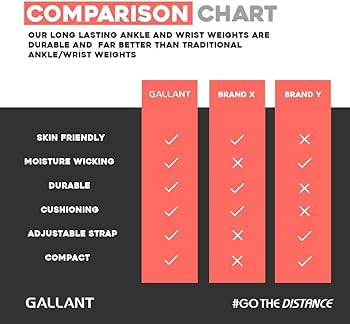
Never use ankle weights as wrist replacements—their larger circumference creates dangerous slipping risks during dynamic movements. True wrist weights feature narrow straps designed for the wrist’s anatomy, with Velcro closures securing snugly without gaps. When testing fit, vigorously shake your arm; quality weights stay perfectly positioned without sliding toward your elbow. If skin irritation occurs during extended sessions, wear a thin cotton sweatband underneath the strap. Stop immediately if you experience sharp pain, tingling, or numbness—these signal potential nerve impingement requiring medical evaluation.
Critical safety check: Always fasten straps completely around bare skin, not over loose clothing. The strap must lie flat against your wrist bone with zero twisting.
Strategic Weight Progression for Injury-Free Gains
Start with 1-pound weights for rehab protocols or delicate movements like desk stretches. Research confirms 2-pound weights transform a standard 4 mph walk into 5 mph metabolic equivalent when worn during cardio. Reserve 3-pound weights exclusively for advanced strength circuits after mastering lighter loads for 4-6 weeks. This progressive overload prevents connective tissue strain while building synovial fluid production to nourish cartilage. Expect noticeable strength improvements around week 6 as forearm tendons adapt to consistent loading.
Pro tip: Test new weights during seated exercises first. If your shoulders hike toward your ears during arm movements, reduce the load immediately.
Ballet-Inspired Arm Flows for Wrist Stability
Ports De Bras Sequence for Scapular Control
Stand with heels together forming a V-shape. Raise arms to shoulder height with palms facing your chest and fingertips touching. Glide arms outward until shoulder blades squeeze together, then return to the starting touch. Perform 20 controlled reps focusing on fluid motion—never speed. This ballet staple builds wrist stability through scapular retraction while preventing upper-trap dominance. Keep elbows slightly bent to protect joints during the full range of motion.
Visual cue: Imagine drawing a perfect circle in the air with your fingertips. If your wrists bend sideways during extension, reduce your range until strength improves.
Overhead Rotation Flow for Joint Lubrication
Lift arms overhead with palms facing down and slightly forward of your forehead. Engage your core as you rotate shoulders and wrists until palms face backward. Pause for two seconds, feeling the stretch across your chest and anterior shoulders. Reverse to palms-forward position. Complete 15 rotations daily to increase synovial fluid production in neglected wrist joints. This motion specifically targets the eight carpal bones connecting to your radius and ulna.
Progression path: Only add 2-pound wrist weights once you can maintain perfect form for 20 reps unweighted. Never force rotation depth—pain means stop.
Core-Integrated Strength Protocols

Sumo Squat Arm Sculptor for Full-Body Synergy
Assume a wide sumo stance with elbows tucked and palms down. Descend into a deep squat while extending arms laterally to shoulder height. As you stand, pull elbows to your waist with palms rotating up, focusing on scapular retraction at the top. Complete 15 reps to integrate lower body power with wrist stability. This movement simultaneously loads 18 forearm muscles controlling flexion and extension while challenging joint resilience.
Common mistake: Letting wrists collapse during the arm extension phase. Keep knuckles aligned with forearm bones—no bending at the joint.
Torso Twist With Arm Extension for Oblique Engagement
Begin with feet hip-width apart, arms overhead, palms down. Rotate your trunk right while lowering your right arm toward your back and left arm toward your front—both ending at shoulder height. Return to center with arms overhead, engaging obliques throughout. Perform 12 controlled rotations each side. This dynamic twist creates rotational force through the wrist joint, building tissue resilience against shear stress.
Key insight: Your hips must stay square forward—no swaying. If you lose hip alignment, reduce your rotation depth immediately.
Wrist Strength Foundation Timeline
Anatomy-Driven Loading Principles
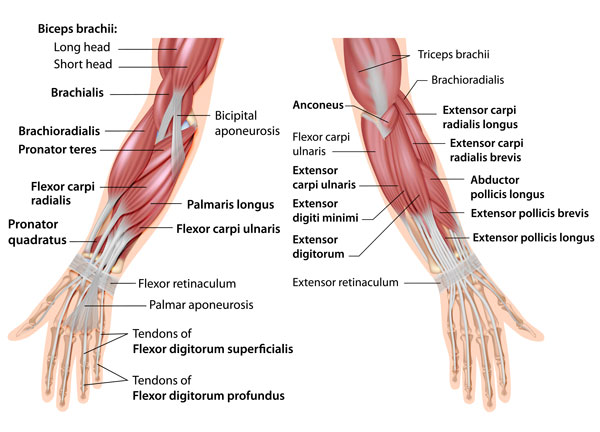
Your wrist contains eight carpal bones connecting to the radius and ulna, controlled by 18 forearm muscles. Crucially, rotation (pronation/supination) originates at your elbow—not the wrist itself. Loading these structures through wrist weights increases synovial fluid production, directly nourishing cartilage. Start with 5-minute daily mobility sessions focusing on pain-free range of motion before adding resistance.
Critical distinction: Never confuse wrist flexion/extension with elbow rotation. Forcing wrist rotation causes injury.
Progressive Overload Milestones
Weeks 1-2: Focus exclusively on neuromuscular adaptation through daily 5-minute mobility sessions. Perform wrist circles and tabletop stretches hourly to combat stiffness. Expect improved range of motion and reduced discomfort.
Weeks 4-6: Introduce 1-2 pound weights during ballet flows. Noticeable strength gains appear as connective tissue adapts—track progress by timing how long you can hold a plank with wrist weights.
Weeks 8-12: Achieve injury-resistant tissue through consistent loading. Integrate wrist weights into cardio walks and strength finishers. Measure success by increased grip strength during daily tasks like opening jars.
Daily Micro-Session Protocols
Desk-Based Relief Routine for Typing Fatigue
Every 2-3 hours, perform this 60-second sequence to combat repetitive strain:
– 20 rubber band finger extensions: Place band around fingers, open hand against resistance
– 10 wrist circles each direction: Make fists, trace slow circles
– 15-second prayer stretch: Press palms together, elbows out
Pro tip: Set phone alarms labeled “WRIST CHECK” to ensure hourly execution. Consistency trumps intensity for joint health.
Travel Training Circuit for Hotel Rooms
Pack 1-2 pound wrist weights for this 15-minute full-body session:
1. 20 Ballet Ports De Bras (focus on scapular squeeze)
2. 15 Over/Unders (palms up to down rotation)
3. 12 Sumo Squat + Arm Extensions (deep range of motion)
Complete 3 rounds with 30-second rests. No equipment? Use 500ml water bottles (≈1 pound each).
Visual cue: In Over/Unders, watch for shoulder hiking—keep collarbones level throughout.
Troubleshooting Pain Points Immediately
Pain During Extension Fixes
Elevate hands on yoga blocks or push-up handles during tabletop stretches to reduce wrist angle. This modification decreases joint stress by 30-40% while maintaining exercise effectiveness. Never push into sharp pain—discomfort should never exceed 3/10 intensity. If pain persists after two modified sessions, revert to unweighted mobility work for 72 hours.
Tingling or Numbness Protocol
Immediately stop training and consult a physician. These symptoms indicate potential nerve impingement requiring professional evaluation. Do not resume training until cleared—nerve damage can become permanent. Temporary alternatives: perform wrist circles without weights while seated.
Equipment Substitution Guide
No wrist weights? Safely substitute:
– 500ml water bottles (≈1 pound each, secure with rubber bands)
– Resistance bands wrapped around wrists (light resistance only)
– Tennis balls for grip work (squeeze 5-10 reps, 3-5 second holds)
Never use: Books, canned goods, or ankle weights—they create unstable loading patterns.
Advanced Integration Strategies
Strength Day Finisher Protocol
Complete 3 rounds after your main workout:
– Ballet Ports De Bras: 20 reps (focus on fluid motion)
– Over/Unders: 15 reps (control rotation speed)
– Sumo Squat + Arm Extension: 12 reps (deep squat depth)
Rest 30 seconds between movements. This sequence builds wrist resilience under fatigue while reinforcing proper movement patterns.
Pro tip: Record yourself to check for wrist collapse during the finisher—common under fatigue.
Cardio Amplification Walk Protocol
Wear 2-pound wrist weights during 30-minute walks using this interval pattern:
– 3 minutes: Controlled arm swings (ballet port de bras motion)
– 3 minutes: Relaxed carry (arms naturally swinging)
Repeat 5 times. This transforms steady-state cardio into full-body conditioning while safely loading joints. Never exceed 30 minutes total with weights during walks.
Critical note: If shoulders fatigue before wrists, reduce weight to 1 pound—your goal is wrist loading, not shoulder strain.
Track your progress weekly by timing how long you can hold a wrist-weight plank or counting pain-free push-ups. Within two weeks of daily micro-sessions, you’ll notice reduced typing discomfort and smoother keyboard movement. By week six, advanced movements like overhead rotations will feel controlled and fluid. Your wrists—once fragile weak points—will become resilient power anchors supporting every lift, push, and athletic endeavor. Start today with 1-pound weights and the Ports De Bras sequence; your future self will thank you when you’re still crushing pull-ups at 70.